Designing Immersive User Experiences with Mixed Reality
In today’s fast-paced and dynamically changing world, technology has become an inseparable part of our lives. From smartphones to virtual assistants, we have seen how technology has revolutionized the way we interact with the world. In recent years, a new technology has emerged that has the potential to take our interaction with technology to a whole new level – Mixed Reality. Mixed Reality (MR) refers to the hybrid technology combining elements of both virtual and augmented reality, providing users with a fully immersive experience. This cutting-edge technology has immense potential in various industries, but one particular area where it can make a significant impact is in designing immersive user experiences.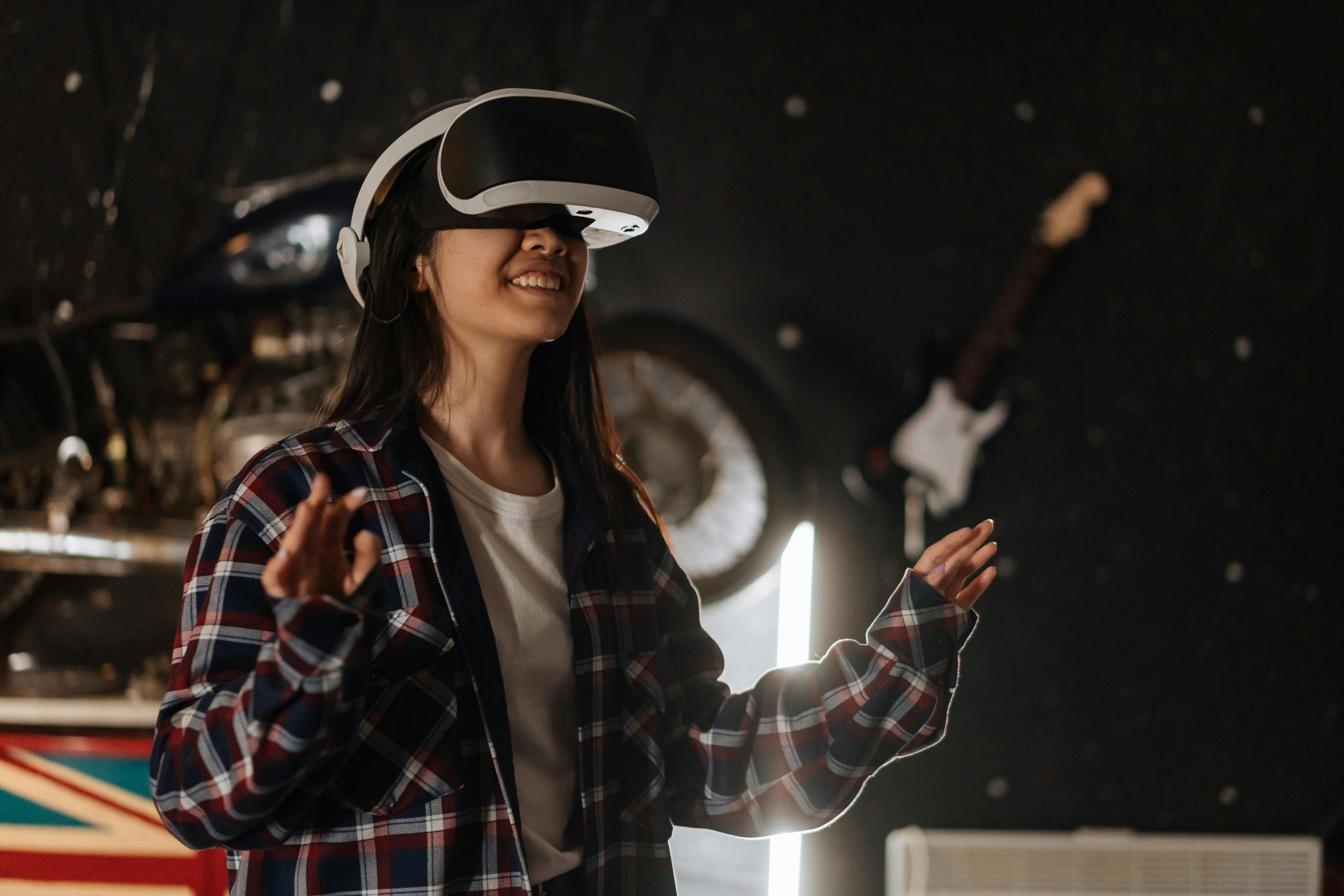
What is Mixed Reality and How Does it Work?
Mixed Reality is an amalgamation of virtual and augmented reality, blurring the lines between the physical and digital worlds. Unlike virtual reality, which creates a completely virtual environment, or augmented reality, which overlays digital elements onto the real world, MR merges virtual and physical objects in the same space. It uses advanced sensors and cameras to map a user’s physical environment and then overlays digital content onto it, creating a seamless blend of real and virtual elements. This technology enables users to interact with digital content as if it were a part of their physical reality.
Designing Immersive User Experiences with MR
One of the most significant advantages of MR is its ability to create truly immersive user experiences. With the use of advanced spatial mapping and tracking technologies, MR lets designers create digital content that seamlessly blends with the physical world, creating an experience that feels real. This is a game-changer in terms of user engagement and can revolutionize the way businesses interact with their customers.
Enhancing User Engagement
Imagine being able to try on clothes without actually going to a store, or test out different furniture arrangements in your living room before making a purchase – this is the level of user engagement that MR can provide. With MR, designers can create virtual showrooms, allowing users to experience products in a realistic way. This not only enhances user engagement but also makes the decision-making process easier for customers, ultimately leading to increased conversions for businesses.
Creating Personalized Experiences
MR has the potential to make user experiences more personalized and tailored to individual preferences. With the use of sensors and tracking, MR can gather data about a user’s behavior and preferences, and adjust the virtual content accordingly. This creates a unique experience for each user, making them feel more connected to the digital content. Businesses can use this data to better understand their customers and deliver more personalized products and services.
Breaking the Barriers of Time and Space
MR has the ability to transport users to different locations and time periods, breaking the barriers of time and space. This opens up endless possibilities for designers to create immersive experiences that take users to different virtual worlds. It can be particularly useful in fields like tourism, where users can experience different destinations without actually traveling. It also has significant potential in education, where students can be transported to historical events or different countries, enhancing their learning experience.
The Challenges of Designing for MR
As with any emerging technology, there are several challenges associated with designing for MR. One of the major challenges is in creating digital content that seamlessly integrates with the physical environment. Designers must consider various factors such as lighting, shadows, and depth perception to create a realistic MR experience. Another challenge is in ensuring a smooth user experience, as any lag or delay can break the immersion and ruin the overall experience.
The Future of MR in Designing Immersive User Experiences
The potential of MR in designing immersive user experiences is vast. From gaming and entertainment to retail and education, MR has the power to transform various industries. As the technology continues to evolve and become more accessible, we can expect to see more innovative and immersive experiences being created. With the advancements in artificial intelligence and machine learning, MR experiences can become even more personalized and tailored to individual users.
In conclusion, Mixed Reality has the potential to change the way we interact with technology and create truly immersive user experiences. As businesses continue to explore the possibilities of this technology, we can expect to see more captivating and immersive experiences being designed. So, as we move towards a more technologically advanced future, Mixed Reality is definitely a technology to keep an eye on.